
How to Book Your Colorado Wedding Venue: A Step-by-Step Guide
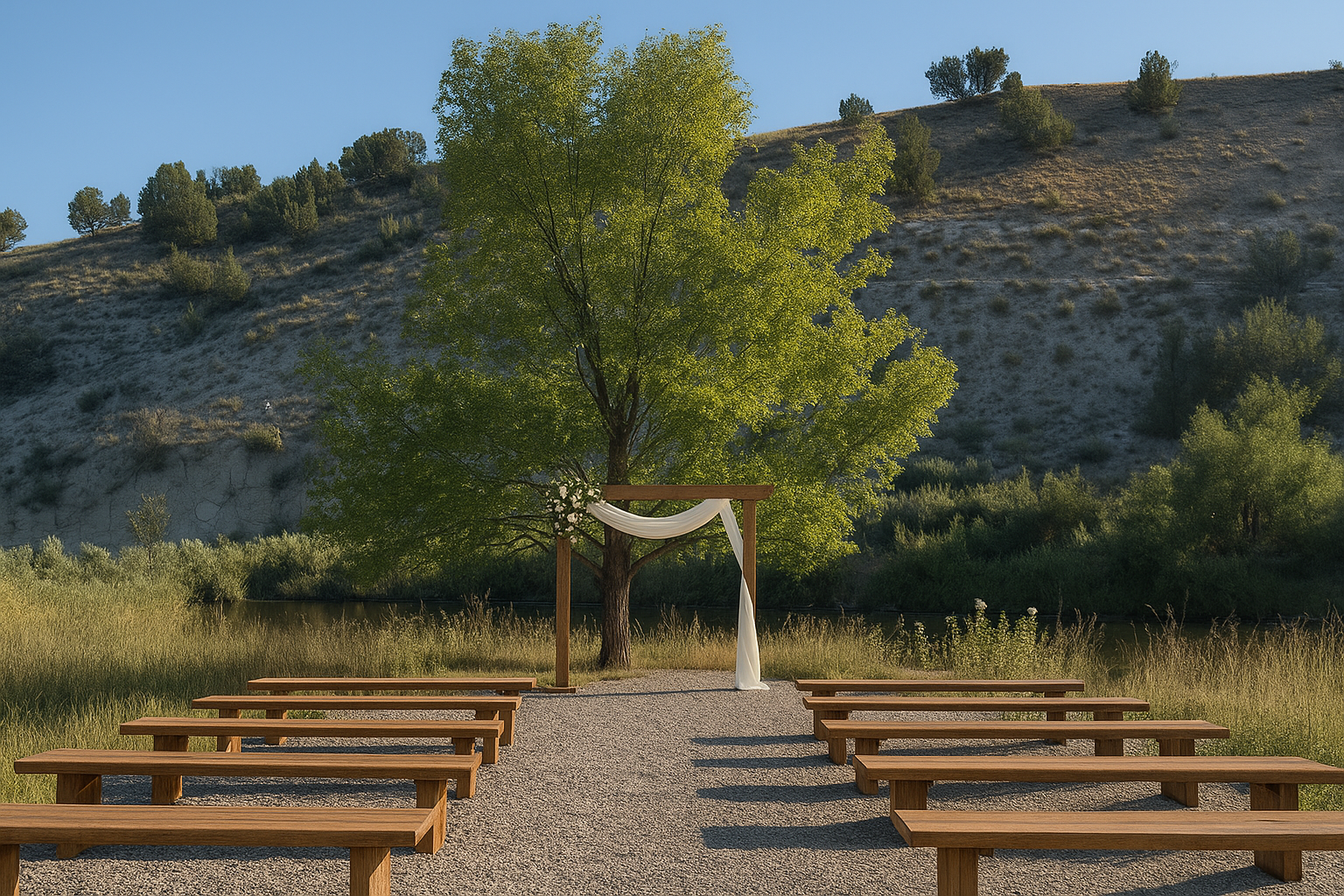
Lost pond outside ceremony site a wedding venue in Canon City Colorado. how to book a wedding venue, wedding venue booking guide, venue checklist, wedding venue questions, book wedding venue
Booking your wedding venue is one of the most exciting milestones in wedding planning. It sets the tone, locks in your date, and helps shape every other decision. But the process can feel overwhelming if you don’t know where to start. That’s why we’ve created this step-by-step guide to help you book a wedding venue with confidence.
Step 1 — Set Your Priorities & Budget
Before you start searching, define your non-negotiables. Consider:
Guest count (even an estimate helps)
Style: rustic barn, elegant ballroom, garden, outdoor, modern, etc.
Budget: decide how much of your wedding budget you’ll allocate to the venue.
Knowing your top three priorities will make comparing venues much easier.
Step 2 — Choose Date Flexibility
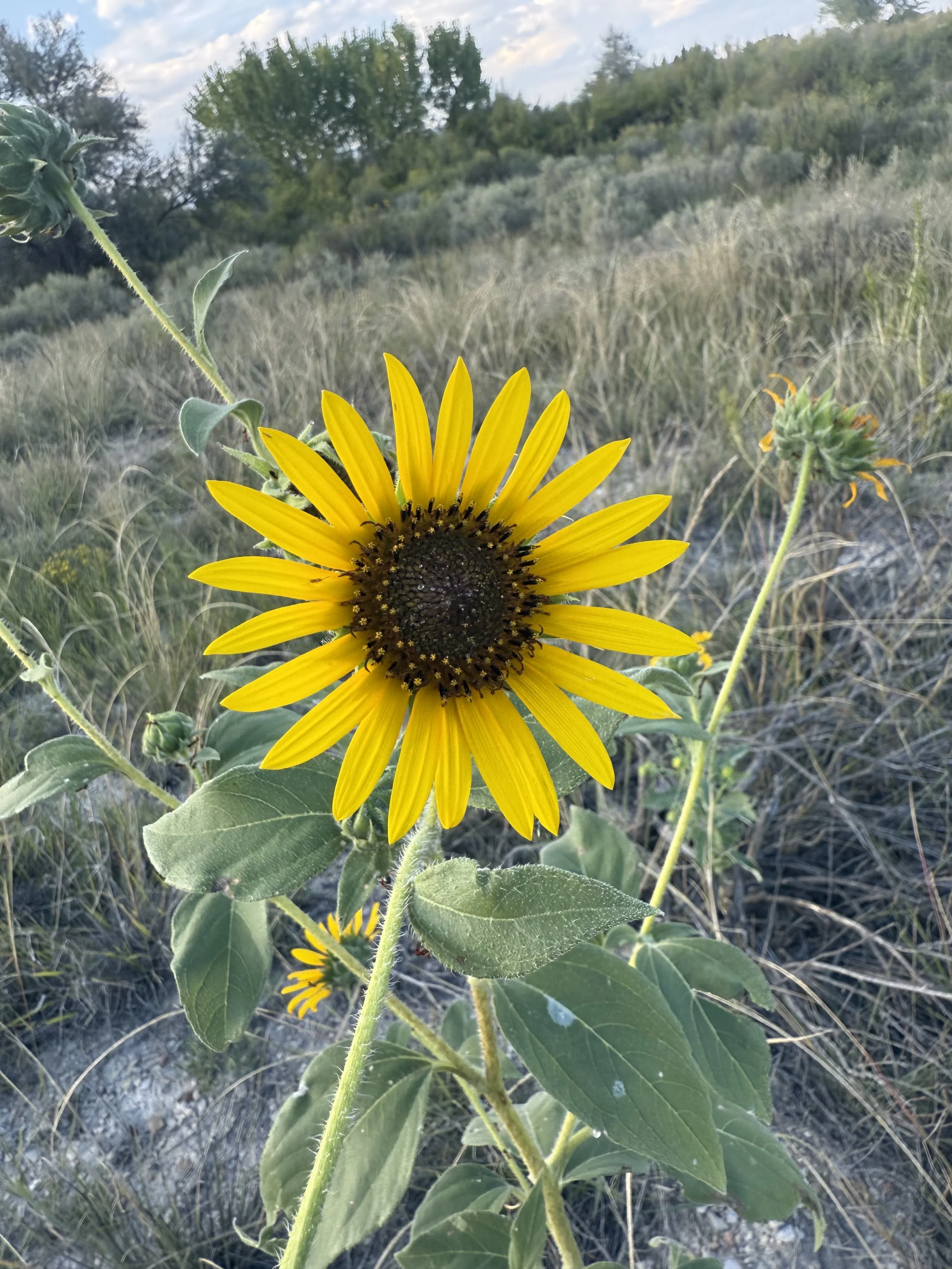
Sunflower at Lost Pond wedding venue.
Pick a target date and 1–2 backup options. If you’re flexible, you’ll have more venue choices. Off-season, weekday, and Sunday weddings often save money.
Step 3 — Estimate Your Guest List
Even a rough headcount matters. Venues have capacity limits, and your guest list directly impacts catering, tables, parking, and costs.
Step 4 — Research & Make a Short List
Browse venue websites, Instagram, and Google reviews. Ask recently married friends or vendors for recommendations. Narrow your list to 3–6 venues that fit your style, size, and budget.
Step 5 — Reach Out with a Focused Inquiry
When contacting venues, include:
Your date(s)
Guest count
Ceremony + reception needs
Style preferences
This helps the venue give accurate pricing and availability.
Step 6 — Tour with a Checklist
Bring a checklist when you visit. Pay attention to:
Ceremony and reception flow
Guest capacity
Parking availability
Restrooms
Power sources for music and lighting
Vendor delivery access
Natural lighting & sound
Backup plan for bad weather
Accessibility for guests with mobility needs
Step 7 — Ask the Essential Questions
Before you sign, clarify:
Total fees (with taxes, gratuities, service charges)
Deposit and payment schedule
Cancellation/reschedule policies
Vendor restrictions
Inclusions: tables, chairs, linens, etc.
Setup/cleanup times
Day-of contact and their role
Alcohol and noise restrictions
Weather backup options
Get all answers in writing.
Step 8 — Compare Offers & Watch for Red Flags
Put venue proposals side-by-side. Watch out for vague contracts, hidden fees, pressure to sign, or inconsistent answers.
Step 9 — Negotiate Smartly
Ask about discounts for off-peak dates, waived fees, or extras like included setup/cleanup. Even small concessions can add value.
Step 10 — Sign the Contract & Pay the Deposit
Review every detail carefully: dates, fees, cancellation terms, inclusions, and insurance requirements. Always keep signed copies.
Step 11 — Coordinate Logistics with Vendors
Share the venue rules with your vendors. Create a floor plan, run-of-show timeline, and delivery schedule.
Step 12 — Do a Final Walkthrough
About 1–2 weeks before the wedding, confirm:
Guest count
Payment deadlines
Vendor access times
Day-of contact information
Sample Inquiry Email
Subject: Availability & Info — [Your Names], [Preferred Date]

Hi [Venue Contact Name],

We’re planning a wedding and are interested in your venue.

- Date(s): [preferred date(s)]
- Estimated guest count: [#]
- Ceremony + reception: [yes/no]
- Style preference: [outdoor garden / rustic barn / etc.]

Questions: Is the date available? What is your starting price and inclusions? Do you have a weather backup option? What deposit is required?

We’d love to schedule a tour. Our availability: [dates/times].

Thanks,
[Your Name]
Printable Wedding Venue Booking Checklist
[ ] Budget & top 3 priorities set
[ ] Target date + backups chosen
[ ] Guest count estimated
[ ] Shortlist of 3–6 venues made
[ ] Inquiries sent to venues
[ ] Tours completed with checklist
[ ] Written quotes compared side-by-side
[ ] Contract reviewed (fees, deposit, cancellations, rules)
[ ] Deposit paid & contract signed
[ ] Vendor logistics coordinated
[ ] Final walkthrough completed
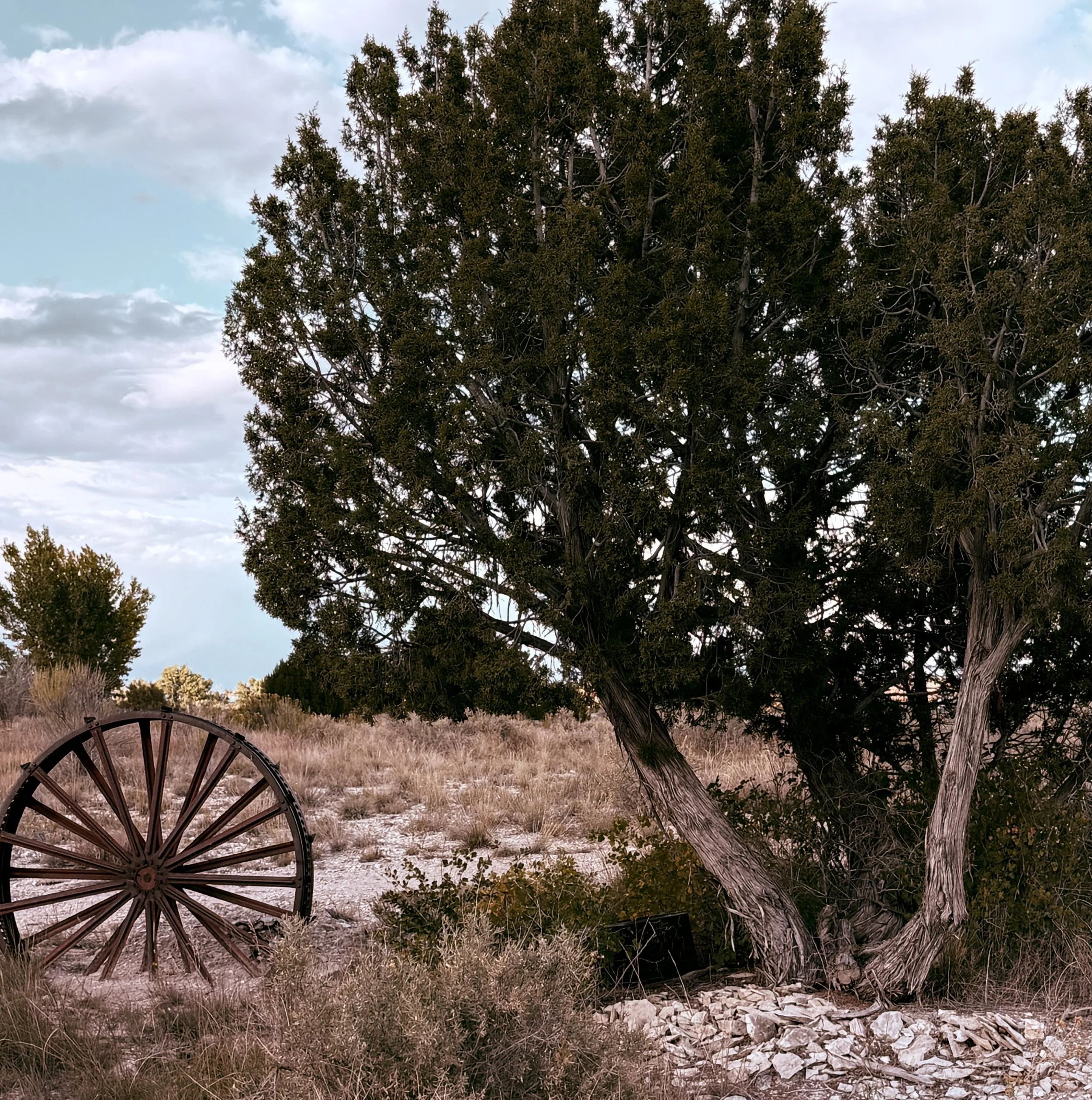
Juniper tree at Lost Pond Wedding Venue
Final Thoughts
Booking your wedding venue doesn’t have to be overwhelming. By following this step-by-step guide, you’ll stay organized and confident in your choice. Remember: choose the space that feels right for you and your guests. With your venue booked, the rest of your wedding plans can fall into place with ease.

Finding Your Perfect Wedding Venue: From Rustic Barns to Outdoor Gardens
How to Find the Perfect Wedding Venue to Fit Your Style
Choosing the right wedding venue is one of the biggest decisions you’ll make while planning your big day. Your venue sets the stage for everything: your ceremony, reception, and all the memories in between. If you’re looking at wedding venues near Colorado Springs or considering different styles like rustic wedding venues or outdoor wedding venues in Colorado, it’s important to understand what each type of venue offers and how to find the one that fits your vision, your style, and your budget.
If you’re just beginning your search, here are some tips to help you narrow down your options and find the perfect fit for your dream day.
Step One: Consider Your Budget First
Your venue will likely be one of the largest expenses of your wedding day. Knowing your budget range up front will help you filter your options. Many venues include extras like tables, chairs, décor, or catering in their pricing, while others are a blank canvas where you bring everything in. Always ask what’s included and what you’ll need to budget separately.
Venue Styles to Match Your Vision
1. Outdoor Garden Venues
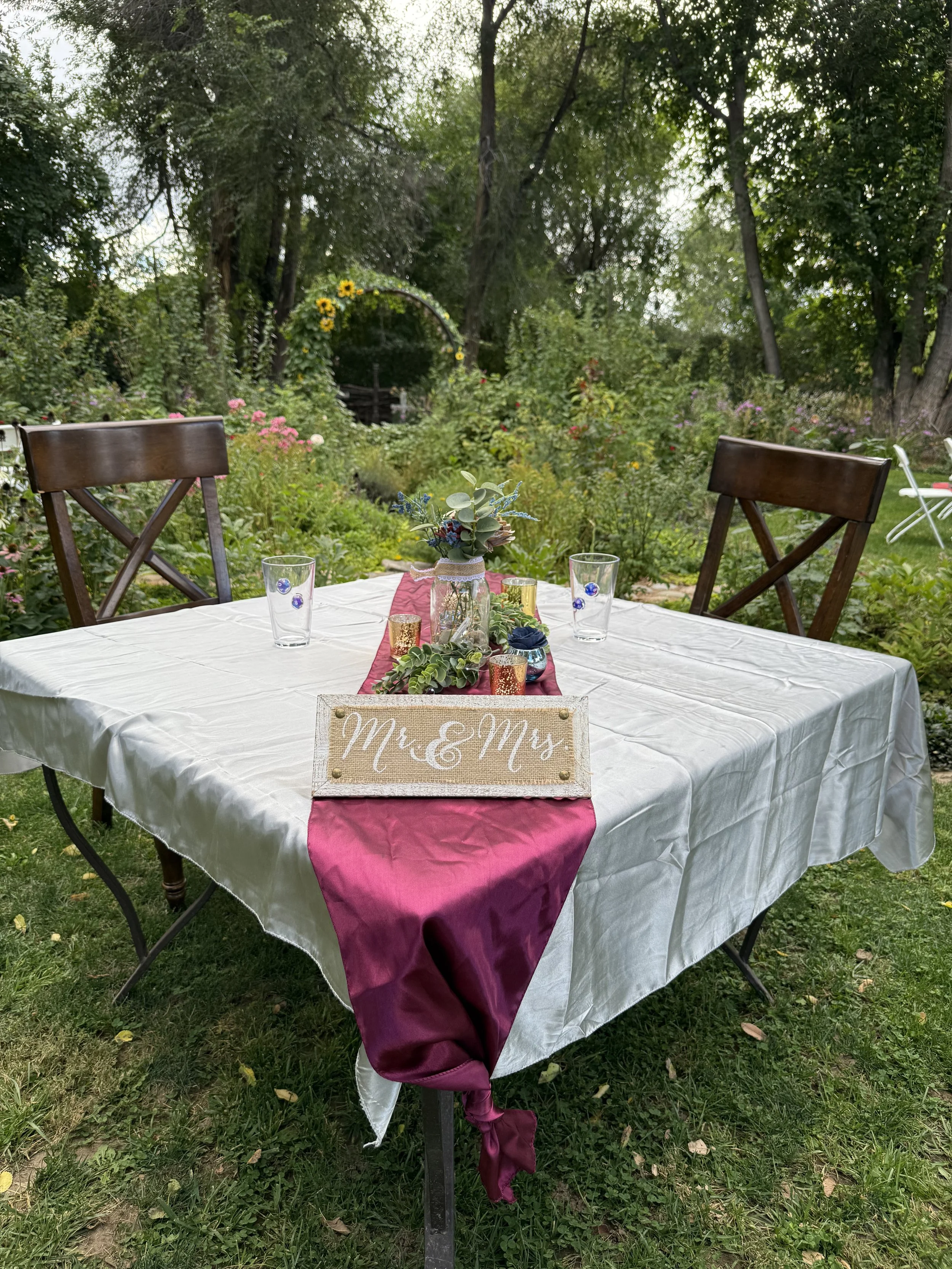
Garden Party wedding
Why choose it? Outdoor venues create a naturally romantic atmosphere. Picture lush greenery, blooming flowers, and plenty of fresh air.
Pros:
Natural beauty means you may spend less on décor.
Gorgeous photo opportunities in every direction.
Ideal for couples who love the outdoors.
Cons:
Weather can be unpredictable. A solid backup plan is a must.
Accessibility for guests (especially in heels or wheelchairs) can sometimes be tricky.
2. Rustic Barn Venues
Why choose it? Barns bring charm, character, and warmth. They’re a perfect blend of cozy and elegant, offering a blank but textured backdrop for your big day.
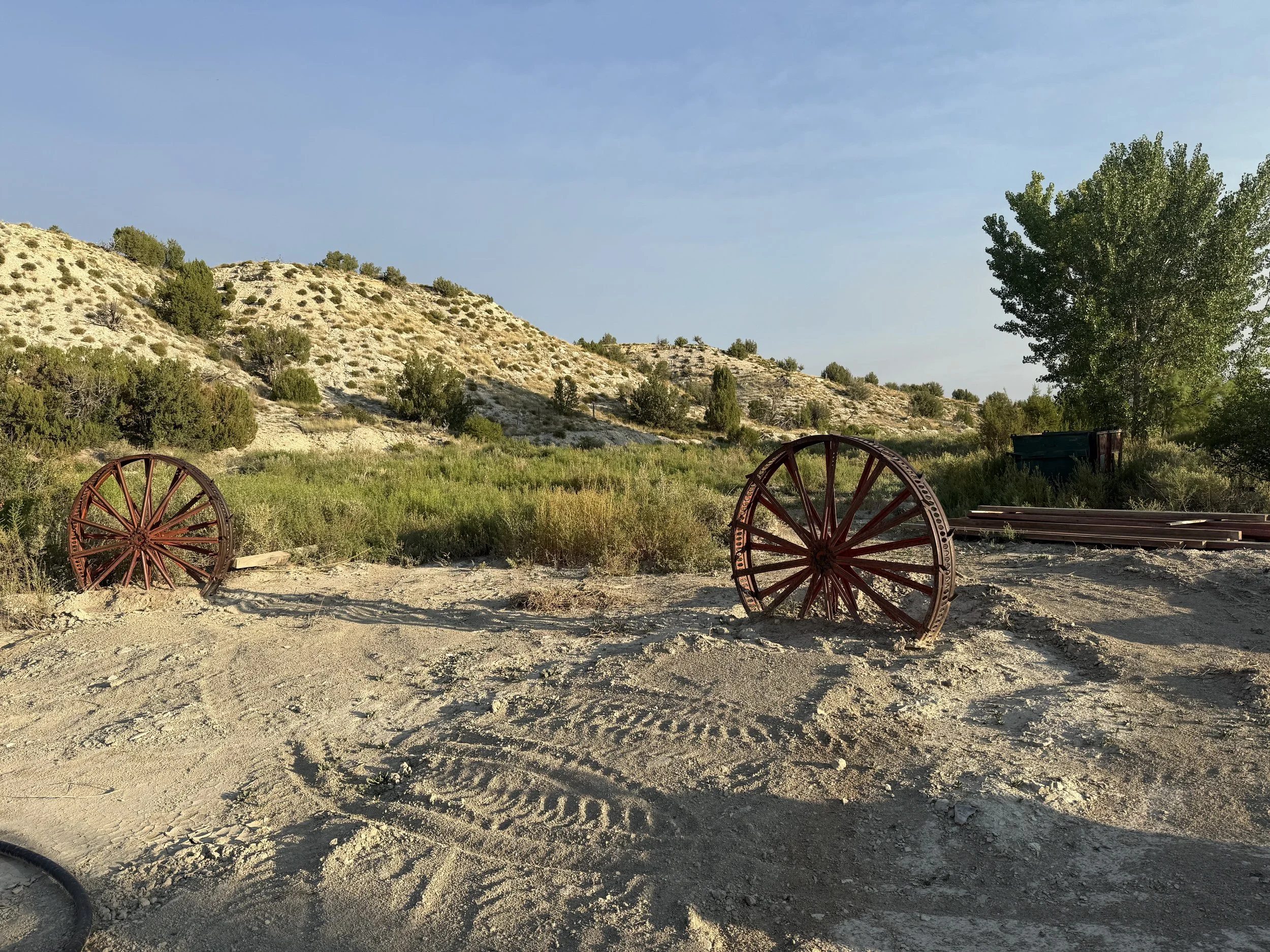
A rustic outdoor wedding venue in Colorado, perfect for couples who want natural beauty and charm.
Pros:
Rustic vibes that feel timeless and welcoming.
Space for larger guest counts in many barns.
Works beautifully with simple décor or grand styling.
Cons:
Some barns may not have heating or cooling, so consider the season.
Can require more rentals (linens, lighting, etc.) if not provided by the venue.
3. Ballroom or Hotel Venues
Why choose it? Ballrooms offer sophistication and convenience. They’re often attached to hotels, which makes accommodations for guests simple.
Pros:
Weather-proof option with full amenities.
Staff often includes planners and catering services.
Easy for guests, especially for destination weddings.
Cons:
Décor can feel less personal if you’re looking for something more unique.
May be more expensive than rustic or outdoor venues.
4. Combination Venues (Indoor + Outdoor)
Why choose it? Some couples want the beauty of nature with the comfort of a sheltered space. Venues that blend outdoor ceremony areas with indoor reception spaces give you the best of both worlds.
Pros:
Built-in rain plan with indoor options.
Flexibility for photos and flow of events.
Allows you to balance rustic charm with modern comfort.
Cons:
Depending on the venue, costs can be higher because of the dual options.
May still need coordination to transition smoothly between spaces.
Service Levels: How Hands-On Do You Want to Be?
Along with style, it’s important to think about how much support you want from your venue. Different places offer different levels of service:
Full-Service Venues – Everything is provided, from catering and staff to tables, chairs, and décor. These are great if you want a stress-free experience, but they can be on the pricier side.
All-Inclusive Venues – Similar to full-service but often with package deals. These typically bundle catering, bar service, décor, and sometimes even DJ or photography add-ons. They’re convenient and budget-friendly if you prefer a set plan.
Bring-Your-Own-Vendor Venues – Some venues allow you to bring in your own caterer, bartender, florist, and other vendors. This gives you more flexibility to choose who you work with, but it may require more coordination on your end.
DIY or Blank-Slate Venues – These are spaces where you handle nearly everything. Perfect if you’re creative, love to plan, or have a very specific vision, but they require the most effort and organization.
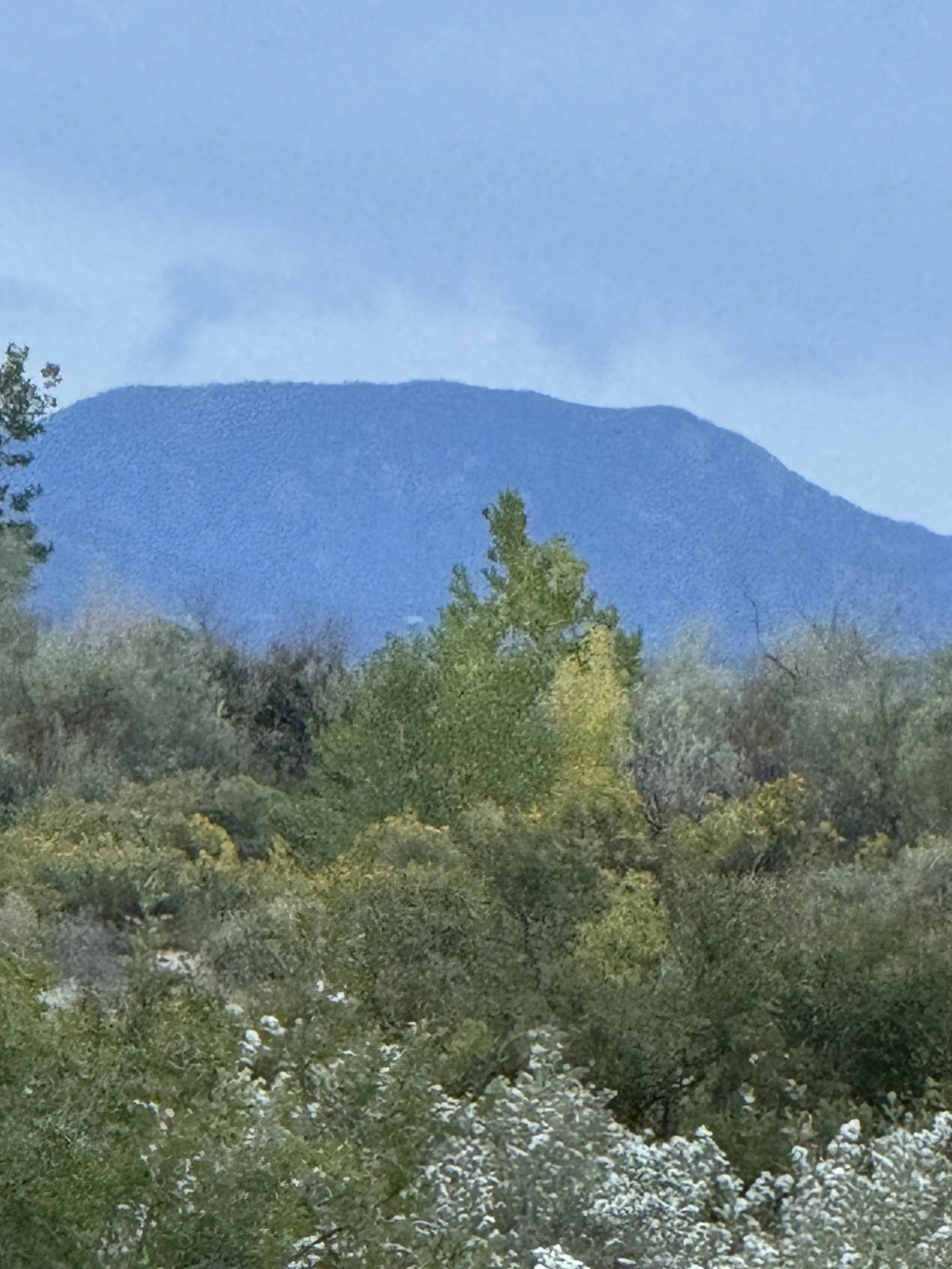
Mountain views from Colorado wedding venue
Matching Your Venue to Your Style
When it comes down to it, the perfect venue reflects who you are as a couple. Do you imagine yourself dancing under the stars in a garden? Sharing toasts inside a rustic barn? Hosting an elegant black-tie reception in a ballroom? Or blending it all with a combination venue?
Your wedding should feel like you, and your venue is the backdrop that tells that story.
Final Thoughts
Finding the perfect venue doesn’t have to feel overwhelming. By setting your budget, considering your style, and deciding how hands-on you want to be, you’ll quickly narrow down your options. Whether your heart is set on a rustic wedding venue, a glamorous ballroom, or one of the many outdoor wedding venues in Colorado, the right location will set the tone for your entire celebration.
If you’re searching for wedding venues near Colorado Springs, take the time to tour a variety of spaces and ask the right questions. Most importantly, choose the venue where you can truly see yourself saying “I do” and creating memories that will last a lifetime.
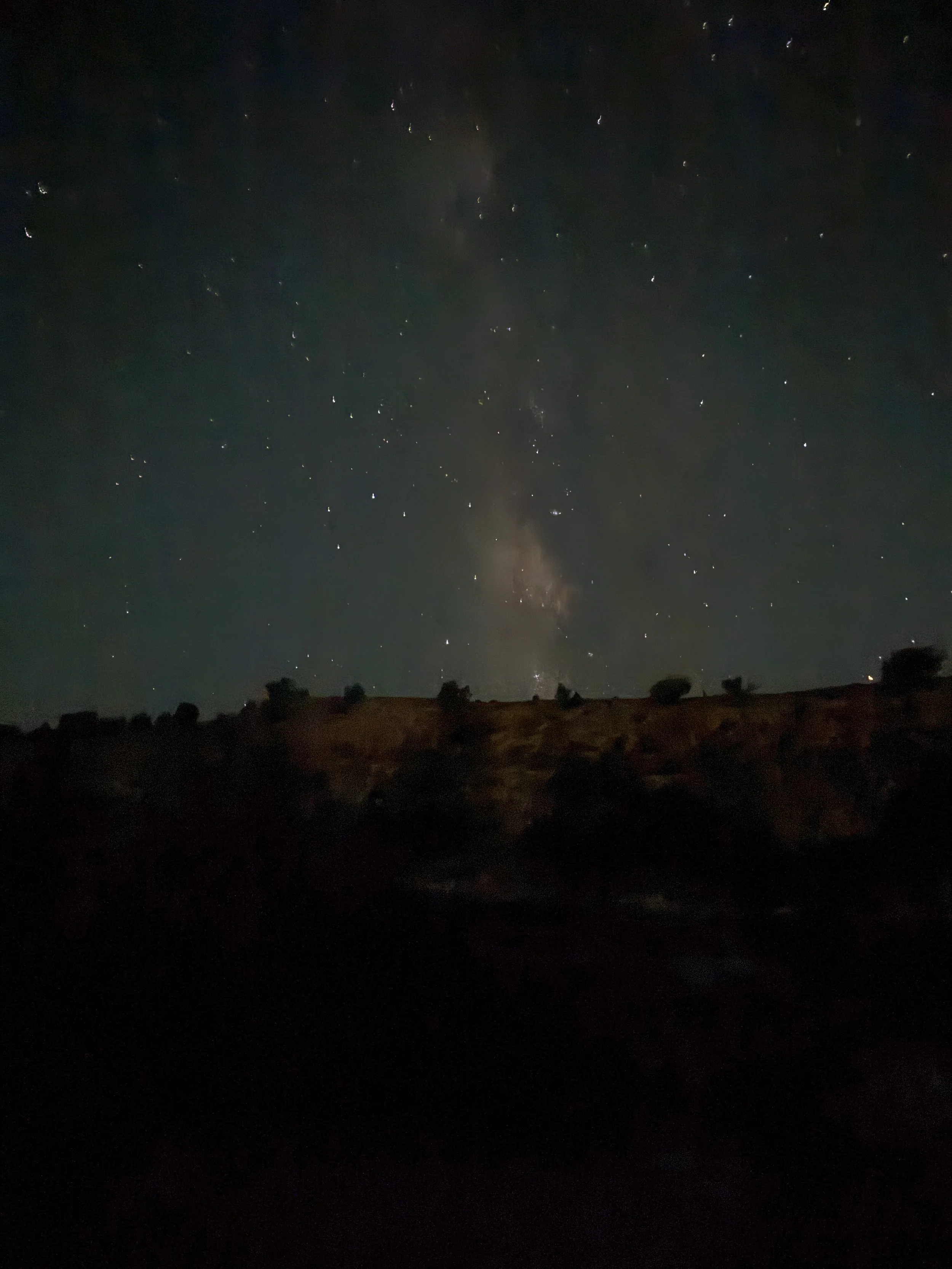
The Milky Way in the Colorado Sky.

How to Plan Your Wedding Budget: A Step-by-Step Guide
How to set a budget for your wedding before you start planning and booking a venue and wedding vendors.

Planning your wedding is one of the most exciting times in your life, but it can also come with its fair share of stress, especially when it comes to setting a budget. Weddings can range from intimate backyard celebrations to grand ballroom affairs, and the costs can vary just as widely. Without a clear plan, it’s easy for expenses to spiral out of control.
The good news? With some strategy, you can plan a wedding that fits your budget while still creating the day you’ve always dreamed of. The key is to start backwards: first, decide how much you want to spend overall, and then break it down into categories. This approach helps you stay realistic, keeps you from overspending, and ensures that your money goes toward the things that matter most to you.
Step 1: Start with Your Total Budget
Before you book a venue, try on dresses, or taste test cake samples, sit down with your partner and agree on a number that feels comfortable. Think about how much you’ve saved, how much family might contribute, and how much you’re realistically willing to spend.
This number is your anchor. Every decision from here on out should tie back to it. For example, if you want to spend no more than $25,000, every choice, venue, guest list, entertainment, should align with that figure.
Step 2: Break It Down by Percentage
Not every couple has the same priorities, but a common starting point for dividing your wedding budget looks like this:
Venue & Catering: 40–50%
Photography & Videography: 10–15%
Music (DJ or Band): 5–10%
Flowers & Décor: 10%
Attire, Hair & Makeup: 5–10%
Other Expenses & Miscellaneous: 10%
These percentages aren’t set in stone. If photos and video are your top priority, you might push that to 20%. If flowers aren’t as important to you, you could scale that down. Think of this as a flexible framework rather than a strict rule.
Step 3: Understand How Guest Count Affects Costs
If there’s one factor that can make or break your budget, it’s your guest count. Every additional guest means more food, drinks, tables, chairs, linens, centerpieces, and place settings.
For example:
A catered meal at $70 per person for 50 guests is $3,500.
The same meal for 150 guests jumps to $10,500.
That’s a $7,000 difference, just from inviting 100 more people.
Your venue size also depends on guest count, which can bump you into a more expensive rental category. Even “small” costs like invitations or favors multiply quickly with larger numbers.
If you’re trying to save, trimming your guest list is one of the most effective ways to make a big difference.
Step 4: Identify Your Priorities
Every couple has different non-negotiables. Maybe you’ve always dreamed of breathtaking photos, or maybe you care more about hosting an unforgettable dinner. The important thing is to pick your top two or three priorities and focus your budget there.
For example:
If photos are #1, hire the best photographer you can afford and cut back on décor.
If food and drinks are most important, invest in quality catering and trim the guest list to make it work.
If entertainment is a priority, consider live music and scale back on extras like favors or programs.
This way, the parts of your wedding that mean the most to you will shine, and you won’t feel like you compromised on the things that truly matter.
Step 5: Use DIY Strategically
DIY projects are a popular way to save money while adding a personal touch. Some great DIY options include:
Designing and printing your own invitations or signage
Crafting simple centerpieces (like greenery, candles, or collected bottles)
Creating wedding favors, such as homemade jams or candles
Building a photo booth backdrop
That said, be realistic. DIY can take more time, energy, and even money than expected. For example, buying fresh flowers for DIY arrangements can add stress right before the wedding. Focus on DIY projects that feel fun, not overwhelming.
Step 6: Sample Budget Breakdowns
To help you picture how this works, here’s how you might break down different wedding budgets using the percentage method:
$15,000 Wedding Budget
Venue & Catering: $7,500 (50%)
Photography & Videography: $1,800 (12%)
Music (DJ): $900 (6%)
Flowers & Décor: $1,500 (10%)
Attire, Hair & Makeup: $1,200 (8%)
Other Expenses: $2,100 (14%)
$30,000 Wedding Budget
Venue & Catering: $12,000 (40%)
Photography & Videography: $4,500 (15%)
Music (Band): $2,400 (8%)
Flowers & Décor: $3,000 (10%)
Attire, Hair & Makeup: $2,400 (8%)
Other Expenses: $5,700 (19%)
$50,000 Wedding Budget
Venue & Catering: $20,000 (40%)
Photography & Videography: $6,500 (13%)
Music (Live Band): $4,500 (9%)
Flowers & Décor: $5,000 (10%)
Attire, Hair & Makeup: $3,500 (7%)
Other Expenses: $10,000 (20%)
These are just examples, but they show how the percentages apply across different budgets.
Step 7: Leave Room for Surprises
Even with the best planning, unexpected expenses pop up. A last-minute rental, overtime charges for vendors, or forgotten details (like gratuities) can creep in. Try to leave 5–10% of your budget unallocated as a cushion. You’ll thank yourself later.
Final Thoughts
Your wedding budget isn’t about restricting you. It’s about making sure your spending reflects your values as a couple. By starting with your total number, dividing it by percentage, keeping an eye on your guest count, and DIY-ing where it makes sense, you can create a day that’s beautiful, personal, and stress-free.
Most importantly, remember that the “perfect” wedding isn’t about how much you spend. It’s about celebrating your love in a way that feels authentic to you.
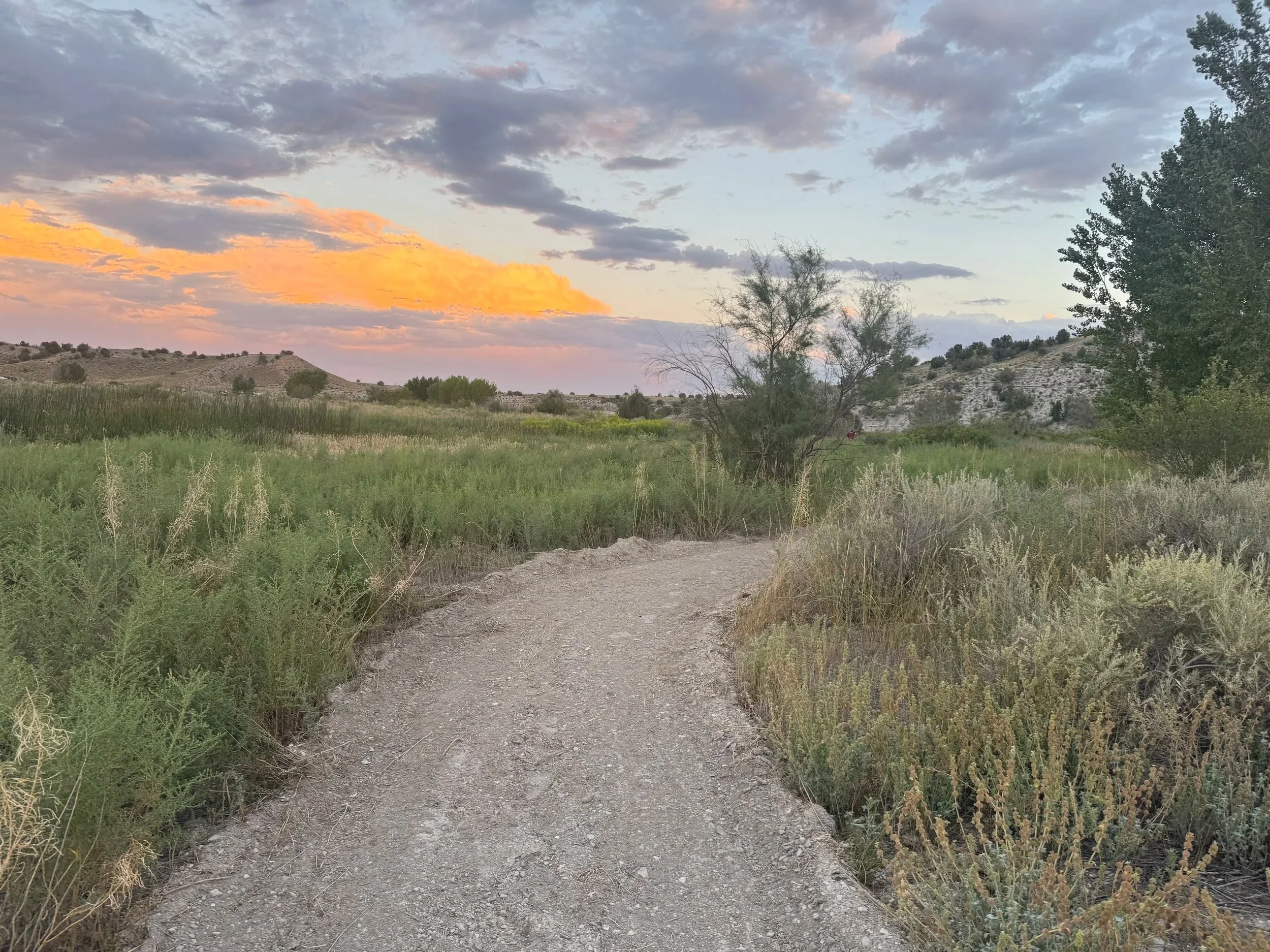
The Timeless Charm of Rustic Wedding Venues
Lost Pond a rustic wedding venue
When couples begin planning their wedding day, one of the first and most important decisions they face is choosing the right venue. The venue sets the tone, frames the memories, and creates the backdrop for one of the most meaningful days of their lives. For many, rustic wedding venues stand out as the perfect blend of beauty, authenticity, and comfort. These spaces hold a special magic, inviting couples and their loved ones to celebrate in an environment that feels at once timeless and deeply personal.
So, what is it about rustic wedding venues that makes them so special? The answer is layered—woven from the natural beauty of the setting, the atmosphere of warmth and intimacy, and the freedom they provide for couples to create a wedding day that truly reflects who they are.
A Backdrop Crafted by Nature
One of the defining features of a rustic wedding venue is its connection to nature. Whether nestled among towering trees, perched on the edge of a meadow, or set beside a quiet stream, rustic venues allow couples to exchange vows surrounded by the natural world. There is something undeniably grounding about speaking your promises under open skies, with the sound of birds in the distance or water gently flowing nearby.
In a world where so much of our lives are fast-paced and digital, being immersed in nature on such an important day brings a sense of calm and presence. Couples often find that they don’t need to add much décor in a rustic setting—the venue itself becomes the decoration. A canopy of trees forms a natural cathedral. A weathered wooden barn becomes both backdrop and symbol, reminding us of the beauty in history and imperfection. A quiet pond reflects not only the sky but the beginning of a new chapter.
An Atmosphere of Warmth and Relaxation
Rustic wedding venues also stand out for their atmosphere. Unlike grand ballrooms or formal banquet halls, rustic spaces invite people to relax and truly enjoy themselves. Guests don’t feel the pressure of rigid formality—they can laugh freely, breathe in the fresh air, and connect more deeply with one another.
This relaxed energy often carries over to the couple, too. Weddings can be stressful, but in a rustic environment, the focus naturally shifts away from perfection and toward connection. The creak of a barn door, the glow of string lights, or the simple joy of dancing under the stars remind everyone what the day is really about: celebrating love.
The charm of rustic venues lies in their imperfections. The weathered wood, the uneven stone, the soft sounds of the outdoors—these details create a setting that feels real. It’s this authenticity that gives rustic weddings their special magic.
A Venue Full of Character and Story
Every rustic wedding venue has a story, and that history becomes part of each wedding held there. A barn that once housed animals now shelters love and laughter. A field that has seen countless sunsets now witnesses a new beginning. Even natural elements—an ancient tree, a winding stream, or a still pond—carry their own stories, passed down through time.
This sense of story and character is something couples can’t find in a newly built hall or hotel ballroom. Rustic venues aren’t just spaces; they are living places with layers of memory and meaning. When couples say “I do” in such a setting, they are adding their story to something larger, something enduring.
Endless Opportunities for Personalization
One of the joys of rustic venues is their versatility. They provide a canvas that can be simple, elegant, whimsical, or romantic—depending on how couples choose to style their day.
Some couples lean into the rustic charm with wildflower arrangements, mason jar centerpieces, and wooden signage. Others combine the rustic setting with elegant touches like flowing linens, crystal chandeliers, and candlelight to create a contrast that feels both natural and refined. The beauty of rustic venues is that they allow for both—and everything in between.
Because the surroundings are already so beautiful, couples don’t have to do much to make the venue shine. A few personal touches often go a long way. And unlike more prescriptive spaces, rustic venues don’t come with a strict set of rules about what décor “works.” Instead, they give couples the freedom to create something that feels authentic to them.
Picture-Perfect Moments
Photography is one of the most important ways couples preserve the memories of their wedding day, and rustic venues provide endless opportunities for stunning photos. The play of sunlight through tree branches, the glow of lanterns or string lights at dusk, and the open skies at sunset all create dreamy backdrops.
There’s also a wonderful variety in rustic settings—each nook and cranny offers a different mood. A quiet path through the woods can feel intimate and romantic. A wide-open field can feel joyful and expansive. A pond, stream, or old wooden structure adds texture and story to the photos. For couples who value beautiful photography, rustic venues are a dream.
A Celebration That Feels Like Home
Perhaps the most special thing about rustic wedding venues is the way they make people feel. They carry a warmth that feels like home—welcoming, comfortable, and filled with heart. For many couples, that sense of belonging is what makes the day truly memorable.
A rustic wedding isn’t just about aesthetics. It’s about creating an atmosphere where guests feel cared for and where the couple can be fully present. The relaxed energy of the setting encourages connection—between families, between friends, and most importantly, between the couple themselves.
Lost Pond: A Rustic Venue with a Heart
At Lost Pond, we’ve seen firsthand how rustic settings create unforgettable moments. Nestled in nature, our venue is framed by the sound of a stream cascading gently into a pond. A lone elm tree stands tall and proud, providing a natural gathering place for ceremonies.
Our reception space carries its own rustic charm, with two small silos that have been lovingly repurposed—one as a bar and the other as a dance floor. The combination of history, creativity, and nature makes every celebration here unique. When the retractable awning opens, the night sky becomes part of the celebration, connecting guests to the beauty of the land around them.
We believe that what makes a rustic wedding venue truly special isn’t just its beauty, but the feeling it creates. At Lost Pond, couples and their guests are invited to celebrate in a place that feels warm, authentic, and timeless.
A Timeless Choice for Lasting Memories
Rustic wedding venues will always hold a unique place in the world of weddings. They remind us that beauty doesn’t need to be complicated, that love feels strongest in places where we can slow down and connect, and that a wedding is about more than a day—it’s about creating memories woven into a landscape that will last for generations.
For couples seeking something meaningful, welcoming, and unforgettable, a rustic wedding venue is more than a location. It’s a reflection of the love being celebrated—simple, genuine, and enduring.